Showing posts with label inari. Show all posts

Saturday, 3 April 2010

LXXXIX - Tokyo


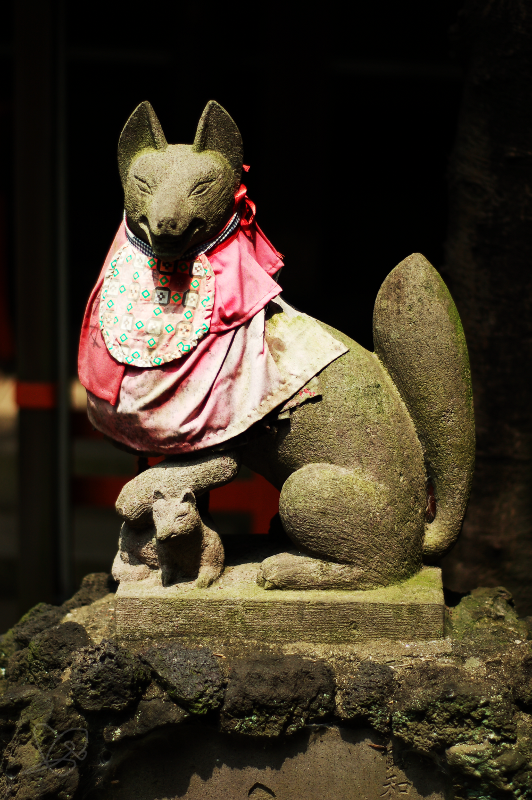
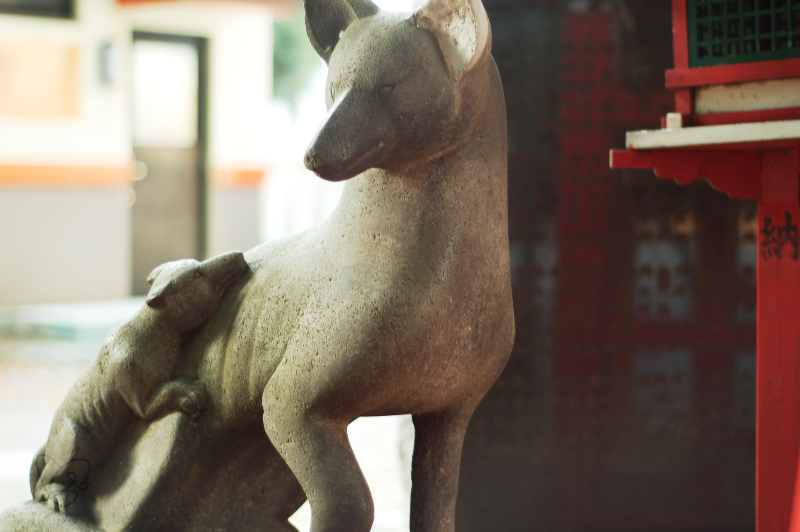
Almost all Inari Shrines feature at least one kitsune (狐, "fox") statue, usually flanking the altar.

The foxes often hold symbolic items in their mouths or paws — jewels and keys, rice, scrolls, or fox cubs are all common to find. Many worshippers place small offerings (such as sake or rice) in front of the fox statues, since kitsune are believed to be messangers who can plead with Inari on their behalf.

Friday, 2 April 2010

Wednesday, 13 January 2010

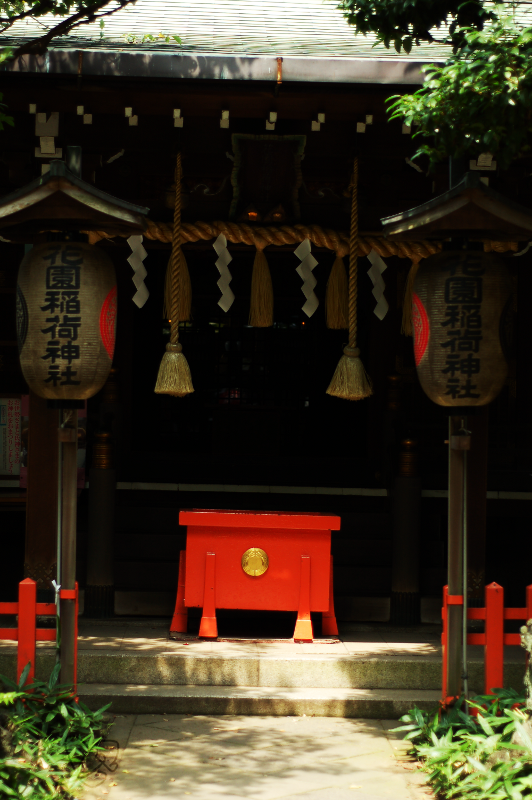
LV - Tokyo


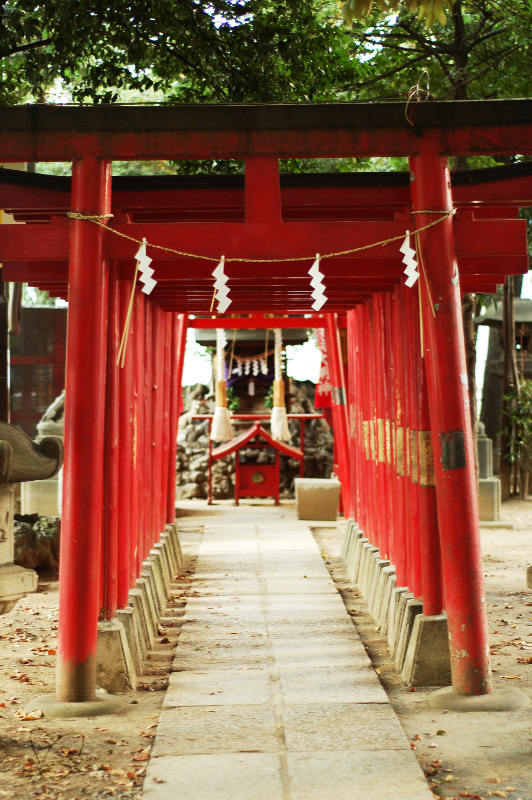
The main altar of the small Inari Shrine in Ueno Park, Hanazono-Inari-Jinja (花園稲荷神社 or はなぞのいなりじんじゃ).

Tuesday, 12 January 2010

LIV - Tokyo


Inari (稲荷) is the Japanese kami ("god") of fertility, rice, agriculture, foxes, industry and success, and is one of the most important kami in Shinto.

Kitsune (
狐 or きつね - "fox") especially white ones are believed to be the special messengers of Inari.

Tuesday, 8 December 2009

XXX - Nikko


One of the most important spirits for Shinto is Inari (稲荷), the kami of rice, agriculture and fertility. Inari is such a popular deity that, according to a survey, more than one third of the shrines in Japan are dedicated to her. It is no wonder then that the material which is most used for symbolical decorations and offerings in shrines is rice itself.

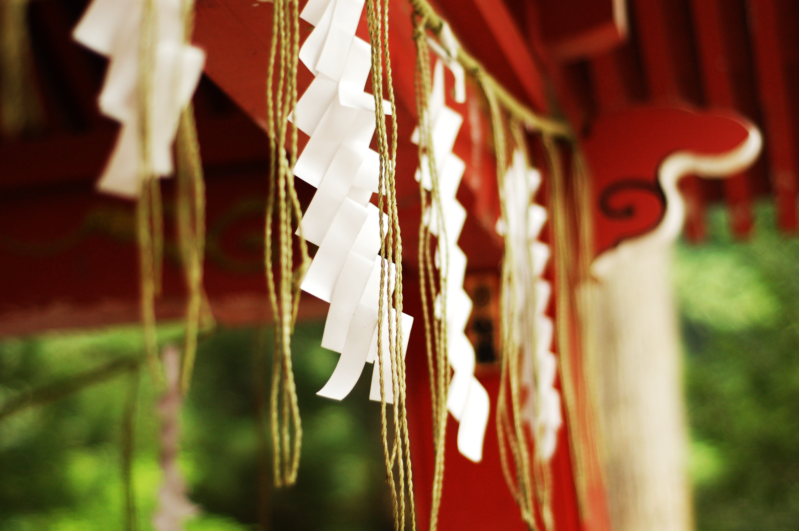
Shimenawa
(注連縄, "enclosing rope") are lengths of braided rice twisted into ropes of various diameters, often hung with shide (紙垂, zigzag paper streamers), and are used to demarcate a sacred space. They can be found on Shinto shrines, torii gates, and sacred landmarks to ward away evil spirits, or around trees to mark those which are believed to be inhabited by wood spirits called Kodama (木霊).