Showing posts with label shinjuku. Show all posts

Tuesday, 20 July 2010

CXIV - Tokyo


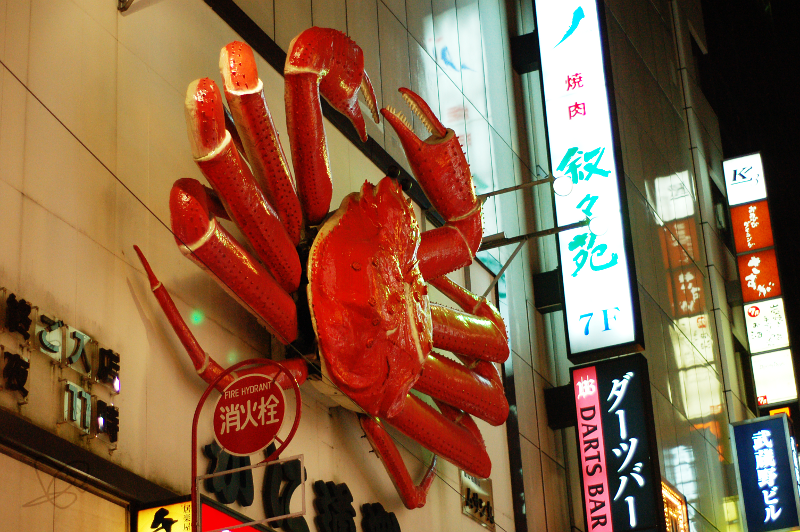
Kani Doraku (かに道楽, lit. "crab indulgence") is the name of the best known crab restaurant in Japan.

There are many outlets throughout the country, each of which is marked by a huge mechanical crab moving its pincers, legs and eyestalks!

Pictured is the Shinjuku one.

Thursday, 22 April 2010

XCII - Tokyo


One of the beautiful kittens in the café, I believe this is the one named Matsuri (まつり).

Wednesday, 21 April 2010

XCI - Tokyo


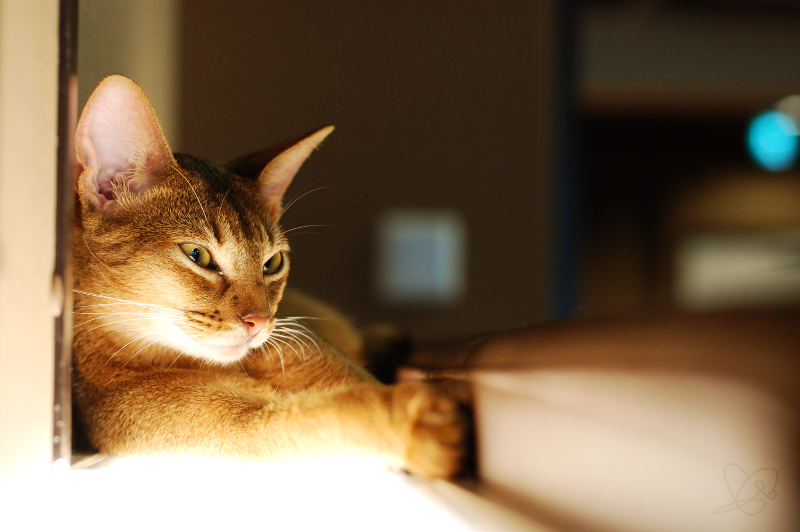
The Shinjuku branch of Calico (or きゃりこ) Cat Café is located on the 6th floor of the Fuji Building on Yasukuni Dori; for those who want to visit, here's a handy map.

The entry fee is about ¥900 (7€), and allows you to relax in a room full of supercute kittens for an hour.

For those of you who are concerned about the welfare of the kitties, don't worry: there are strict rules of conduct for the customers.

Once you enter and pay the fee, you are handed a list of instructions which you must follow, including removing your shoes and bags, placing them in a locker, and sanitizing your hands.

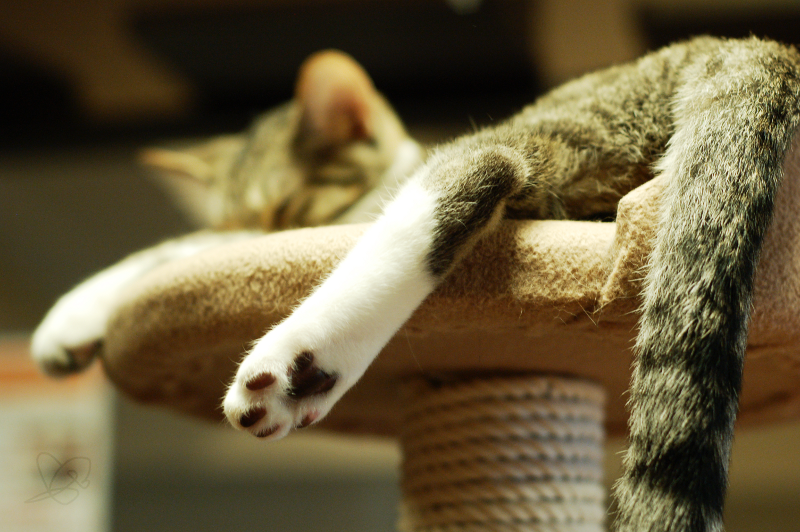
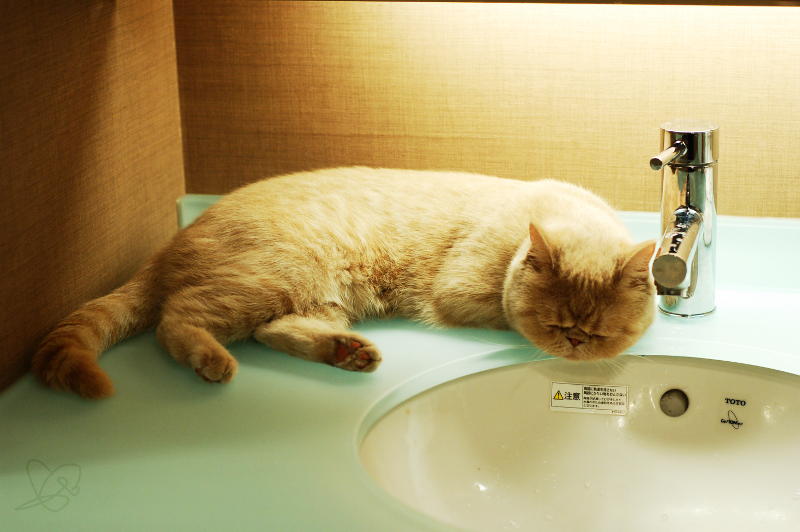
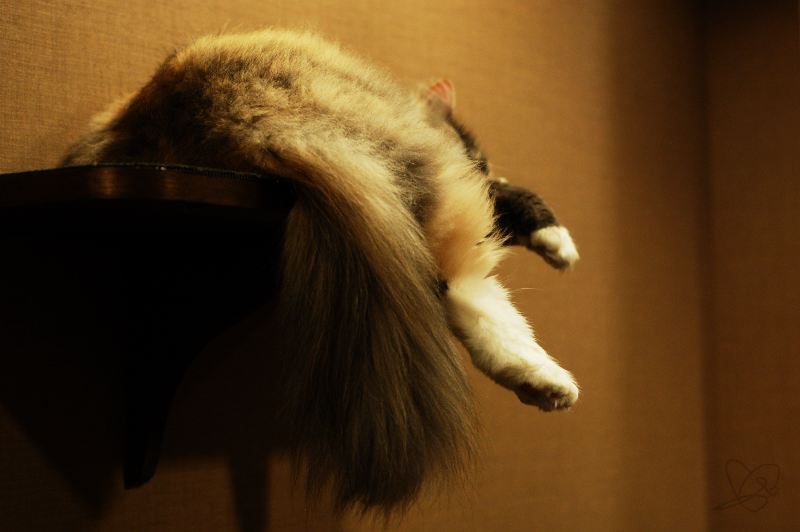
Only then are you allowed in the presence of the cats, who will most probably be pretending to nap in the most improbable and difficult-to-reach places: another rule states that customers cannot disturb the cats if they are sleeping, cannot pick the cats up, and are only allowed to play with them and stroke them only if and when they are willing to. Children are not allowed in the café either. Fair enough.

Most of the cats when I visited were very little amused by all the people shaking feather wands in their direction hoping to attract them to come and play. They were quite comfortable napping away and allowing the occasional pat on their head, and who could blame them?

Wednesday, 14 April 2010

XC - Tokyo

Feline lovers have a tough time in Tokyo, since pets are forbidden in most of the tiny city apartments they have to live in.

So what are they to do to fulfill their cat cravings? Why, visit a Cat Café of course!

Saturday, 3 April 2010

LXXXIX - Tokyo


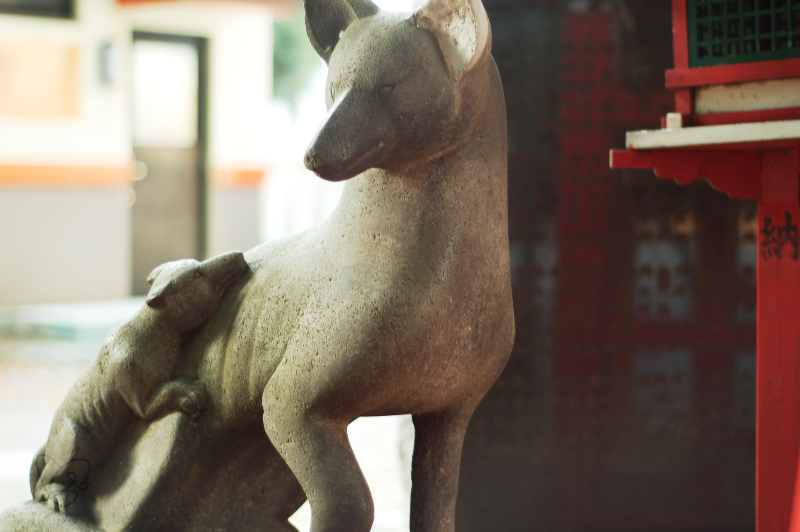
Almost all Inari Shrines feature at least one kitsune (狐, "fox") statue, usually flanking the altar.

The foxes often hold symbolic items in their mouths or paws — jewels and keys, rice, scrolls, or fox cubs are all common to find. Many worshippers place small offerings (such as sake or rice) in front of the fox statues, since kitsune are believed to be messangers who can plead with Inari on their behalf.

Friday, 2 April 2010

Wednesday, 31 March 2010

LXXXVII - Tokyo


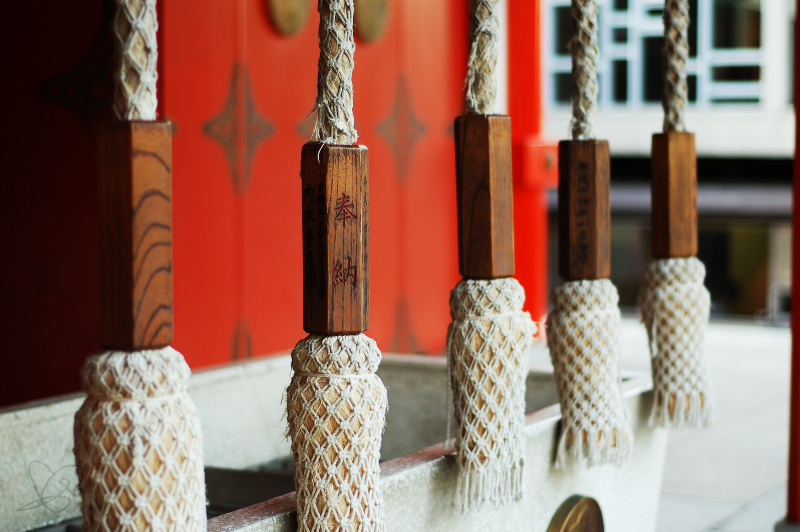
When one arrives at a Shrine, the correct etiquette requires one to ring a large special Shinto bell, called suzu (鈴), by pulling on one of the ropes hanging in front of the altar, such as these. The bells are used by the visitors to announce their presence to the deity of the Shrine before bowing, clapping their hands, making their offering, and praying.

Miniature bell charms named omamori (お守り) are sold at shrines, and are considered to bring good luck.

Tuesday, 30 March 2010

LXXXVI - Tokyo


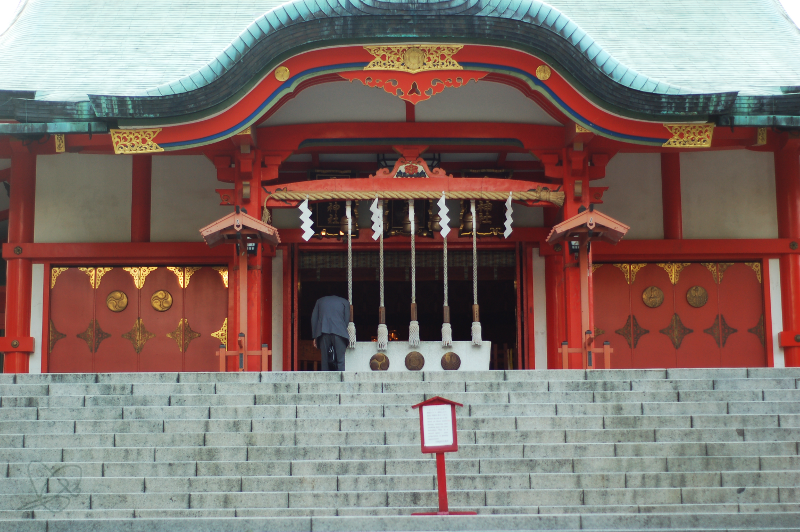
A businessman praying at Hanazono Jinja (花園神社), a Shinto shrine founded in the mid-17th century, which is now a peaceful oasis amidst the skyscrapers in one of the busiest areas of the city.

Tuesday, 23 March 2010

LXXXIV - Tokyo


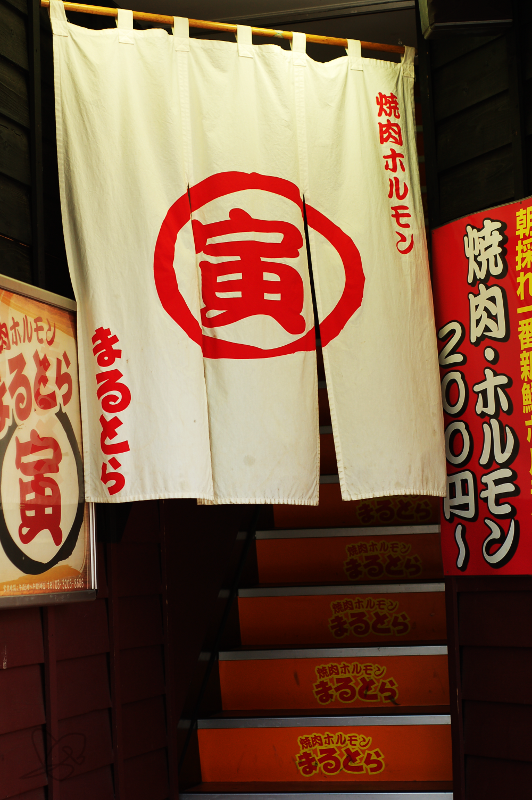
Noren (暖簾) are traditional Japanese fabric curtains with slits (to make passing through them easier) hung in doorways or in windows. They are usually used by restaurants and shops to protect the entrance from sun, rain, wind or dust, and to advertise their wares. Their presence means the shop/ restaurant is open, as they are always pulled down at the end of the day.

Monday, 22 March 2010

LXXXIII - Tokyo


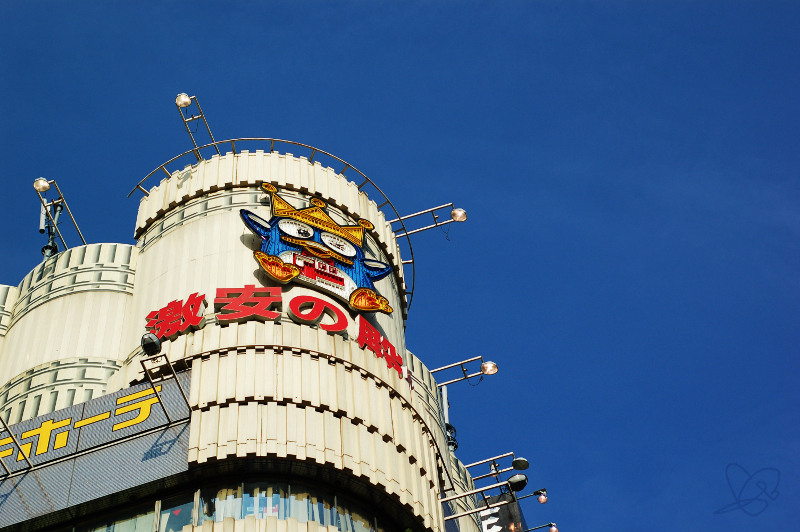
A cute penguin with a crown winking from the top of a building along Yasukuni Dori.

Does anyone know why it's there? Is it the mascot of a company?

Friday, 19 March 2010

LXXXII - Tokyo


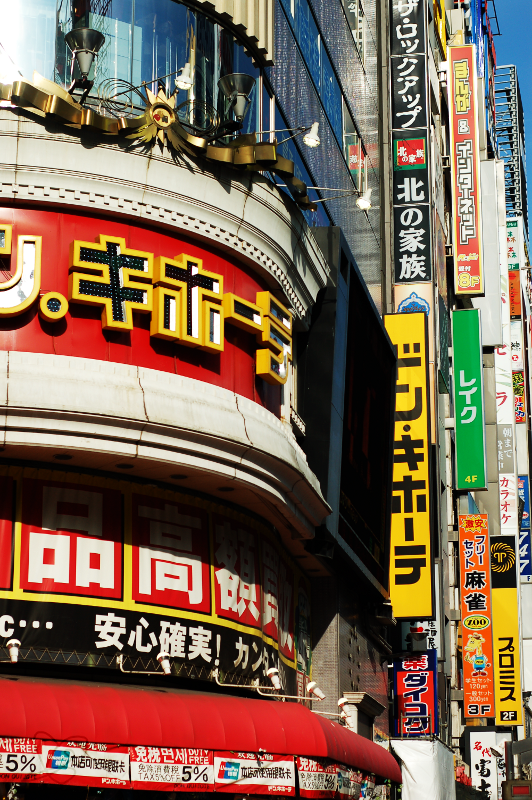
A view of the buildings on Yasukuni Dori (靖国通り, "Yasukuni Street"), Shinjuku.

Wednesday, 17 March 2010

LXXXI - Tokyo


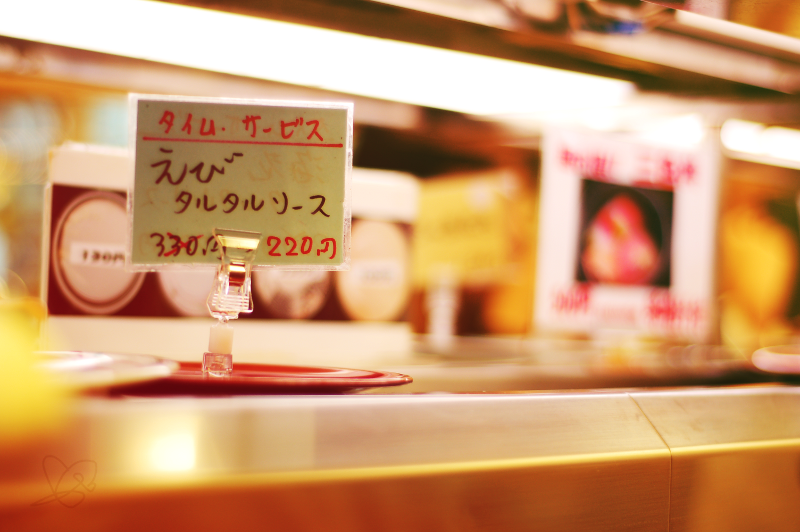
Kaiten-zushi (回転寿司, "revolving sushi") is a very popular kind of restaurant in Japan, where food is set on small plates placed on a rotating conveyor belt that winds through the restaurant. Customers are usually seated on counter seats all the way along the belt, and simply pick their food as it passes by. The colour of the plates determines the price of the sushi on it usually the simpler the plate colour or design, the cheaper it is.

Most gaijin will probably be pleasantly surprised by how affordable kaiten-zushi is, compared to how pricey Japanese restaurants abroad are: this one had plates starting from 130
円 (1€), compared to the average 4€ each plate costs back home. As can be seen in the photo, some plates only contain cards ― they represent dishes which should be served hot, and therefore must be ordered to the waitress, or directly to the chef.

The first time I ate in a kaiten-zushi was quite embarassing, due to the fact that I was the only non-Japanese, the only female, and the only person under 35 years old. This is because this kind of restaurant usually caters to Japanese businessmen who don't have time for a proper meal during their lunch-break. Moreover, I didn't know how to ask for water, so I forced myself to drink the complimentary boiling hot green tea provided even though it was at least 40°C (104F) outside!

I did manage to ask for miso shiru
(味噌汁, "miso soup") though..