The colourful incense bundles burning in the kōro in front of Benten-do Temple.
Showing posts with label ueno park. Show all posts
Wednesday, 20 January 2010
Tuesday, 19 January 2010
Monday, 18 January 2010
LVIII - Tokyo
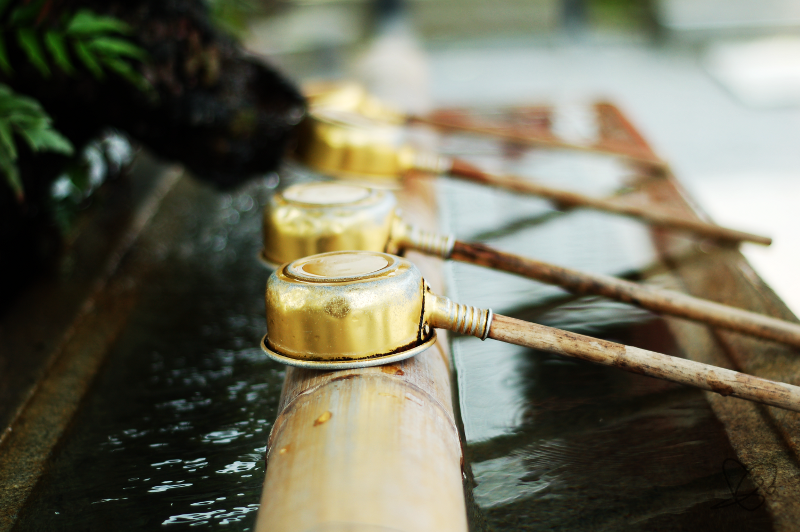
The temizu fountain in front of Benten-do (弁天堂) Temple, dedicated to the Buddhist goddess Benzaiten (弁才天), the goddess of everything that flows: water, words, speech and music. This worship hall is very appropriately located on a small island between the three sections of Shinobazu no Ike (不忍池 - "Shinobazu Pond"): Hasu no Ike (蓮の池, - "Lotus Pond"), Bōto no Ike (ボートの池, - "Boat Pond"), and U no Ike (鵜の池, - "Cormorant Pond").
Friday, 15 January 2010
LVII - Tokyo
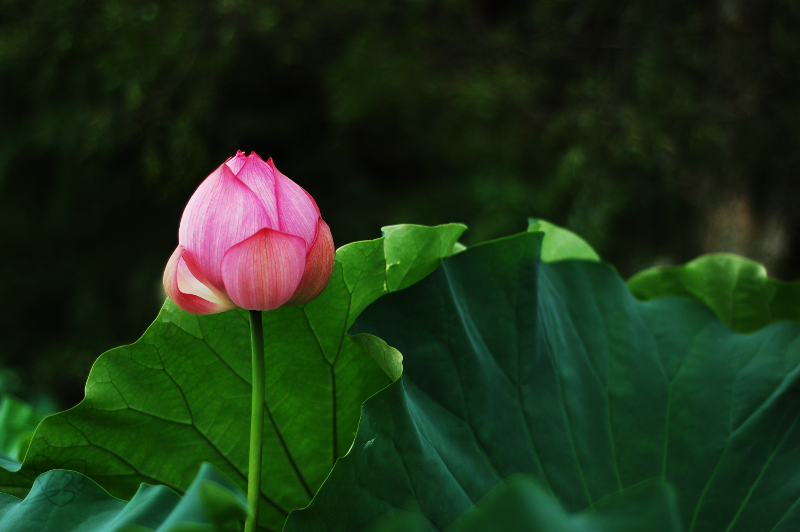
Renge (蓮華 - "lotus flower") blooms in midsummer, and is a symbol of truth, perfection and immortality.
It also represents Buddha's life, since it is born in the world which is full of problems and darkness (the mud in the pond), and grows to be pure and and unsullied ― it represents the awakening to the spiritual reality of life. Renge was also thought to be able to regenerate by itself, and because of this it is often shown as the throne upon which the Buddha sits, as a symbol of an awakened Mind.
Thursday, 14 January 2010
LVI - Tokyo
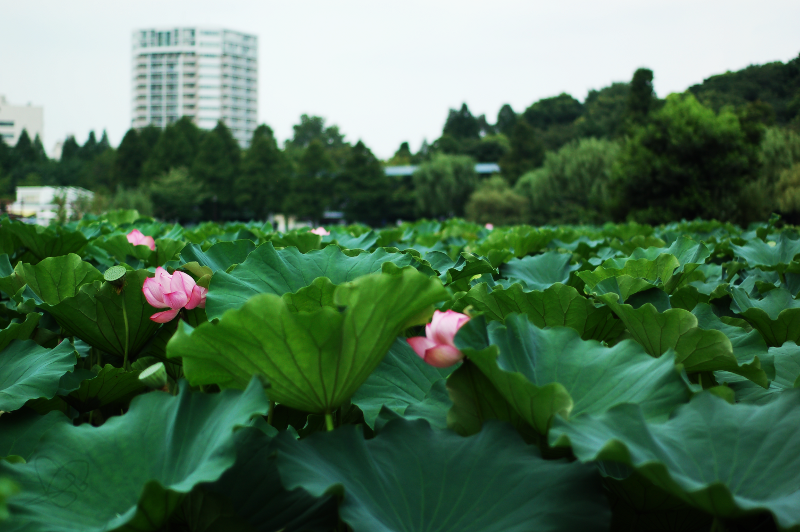
A view of Shinobazu no Ike (不忍池), ,the lake in Ueno Park, which by midsummer is completely covered in lotus flowers.
Wednesday, 13 January 2010
LV - Tokyo
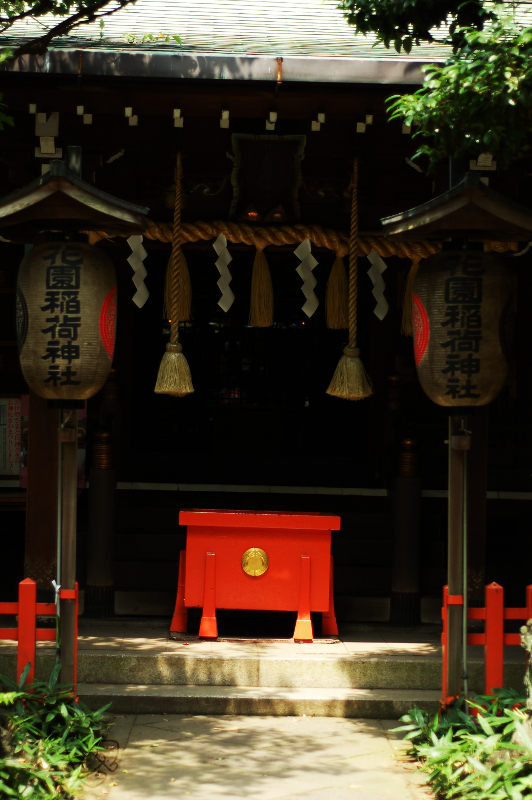
The main altar of the small Inari Shrine in Ueno Park, Hanazono-Inari-Jinja (花園稲荷神社 or はなぞのいなりじんじゃ).
Tuesday, 12 January 2010
LIV - Tokyo
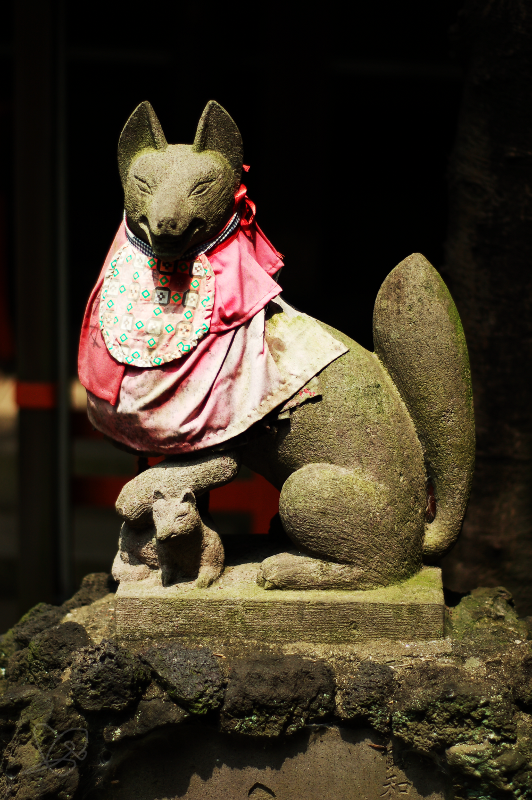
Inari (稲荷) is the Japanese kami ("god") of fertility, rice, agriculture, foxes, industry and success, and is one of the most important kami in Shinto.
Kitsune (狐 or きつね - "fox") ― especially white ones ― are believed to be the special messengers of Inari.
Monday, 11 January 2010
LIII - Tokyo
A torii (鳥居) is a vermilion gate which traditionally marks the entrance to a place sacred to Shinto religion, such as a Shrine. Inari Shrines such as this small one in Ueno Park typically have many torii in a row.
Sunday, 10 January 2010
Saturday, 9 January 2010
LI - Tokyo
Colourful origami (折り紙) cranes at Toshogu shrine, Ueno Park.
Senbazuru (千羽鶴 - "Thousand Origami Cranes") such as these have a special meaning for Japanese people: there is a legend promising that whoever folds a thousand paper cranes will have their wish granted by a crane, which is one of the mystical creatures (along with dragons and tortoises) that are said to live a thousand years.
After WWII, senbazuru have been associated with the Hiroshima tragedy, and can often be seen hanging from peace & memorial monuments, such as this one in Ueno.
Friday, 8 January 2010
L - Tokyo
"Toshogu" is a royal title which literally means "Sun God of the East". Toshogu shrines were built throughout the country to honor Tokugawa Ieyasu as a deity, often near temples or sites that had a family or personal connection with him. This is why there are about 200 shrines in Japan named Tosho-gu.
Subscribe to:
Posts (Atom)