Wednesday, 31 March 2010

LXXXVII - Tokyo


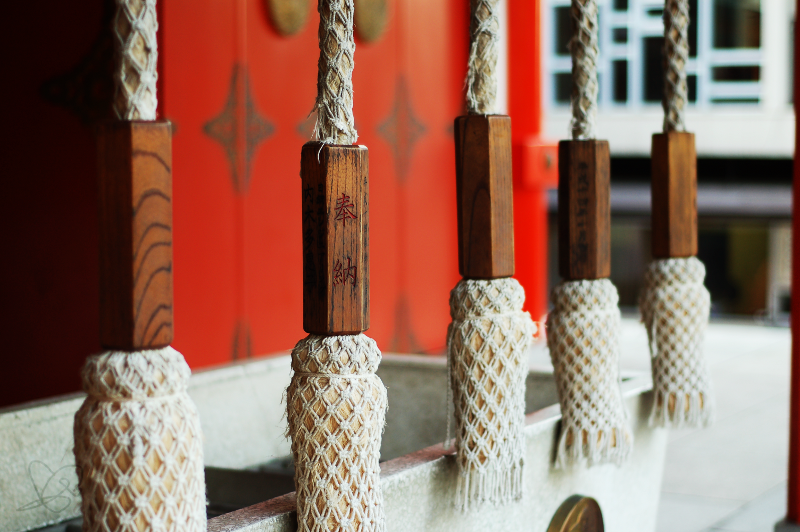
When one arrives at a Shrine, the correct etiquette requires one to ring a large special Shinto bell, called suzu (鈴), by pulling on one of the ropes hanging in front of the altar, such as these. The bells are used by the visitors to announce their presence to the deity of the Shrine before bowing, clapping their hands, making their offering, and praying.

Miniature bell charms named omamori (お守り) are sold at shrines, and are considered to bring good luck.

Tuesday, 30 March 2010

LXXXVI - Tokyo


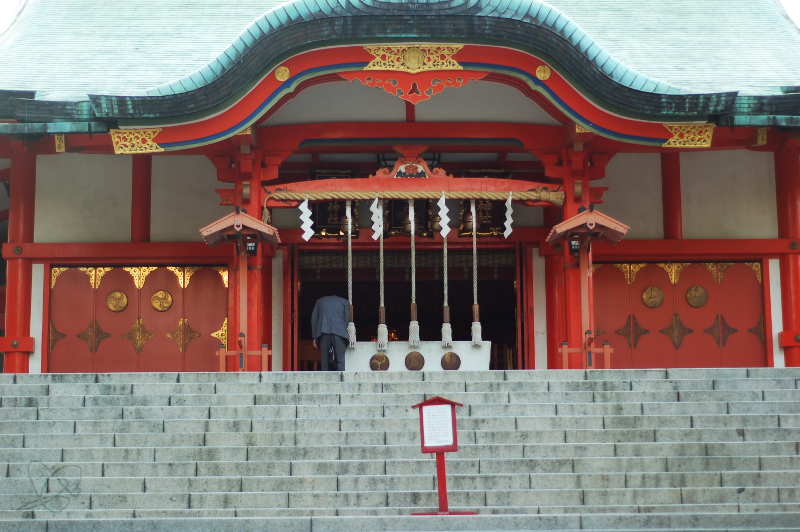
A businessman praying at Hanazono Jinja (花園神社), a Shinto shrine founded in the mid-17th century, which is now a peaceful oasis amidst the skyscrapers in one of the busiest areas of the city.

Sunday, 28 March 2010

LXXXV - Tokyo


Minute Maid's Aloe & White Grape juice: THE most delicious drink ever invented by mankind.

With its sweet yet refreshing flavor and its little juicy bits of aloe floating around, I'd honestly be fine if I had to only drink this for the rest of my life. Unfortunately, it's one of those flavors (together with matcha -green tea- and sakura -cherry blossom-) which are only produced for the Asian market, and are almost impossible to find elsewhere.

Tuesday, 23 March 2010

LXXXIV - Tokyo


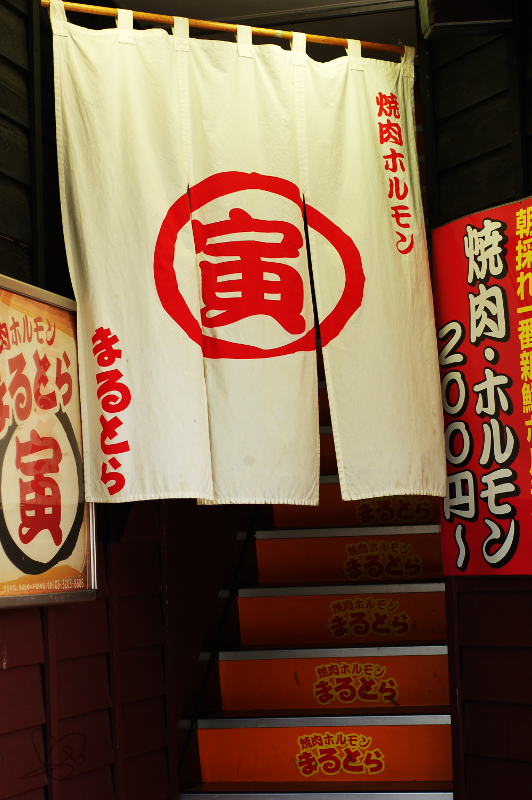
Noren (暖簾) are traditional Japanese fabric curtains with slits (to make passing through them easier) hung in doorways or in windows. They are usually used by restaurants and shops to protect the entrance from sun, rain, wind or dust, and to advertise their wares. Their presence means the shop/ restaurant is open, as they are always pulled down at the end of the day.

Monday, 22 March 2010

LXXXIII - Tokyo


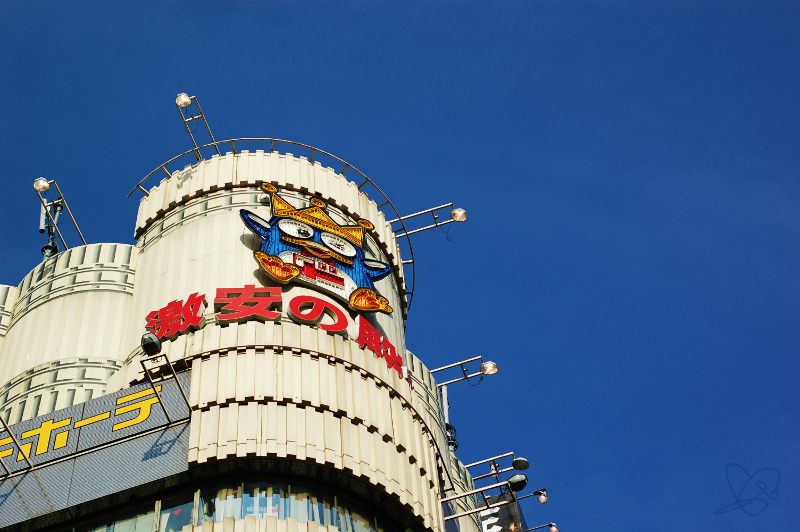
A cute penguin with a crown winking from the top of a building along Yasukuni Dori.

Does anyone know why it's there? Is it the mascot of a company?

Friday, 19 March 2010

LXXXII - Tokyo


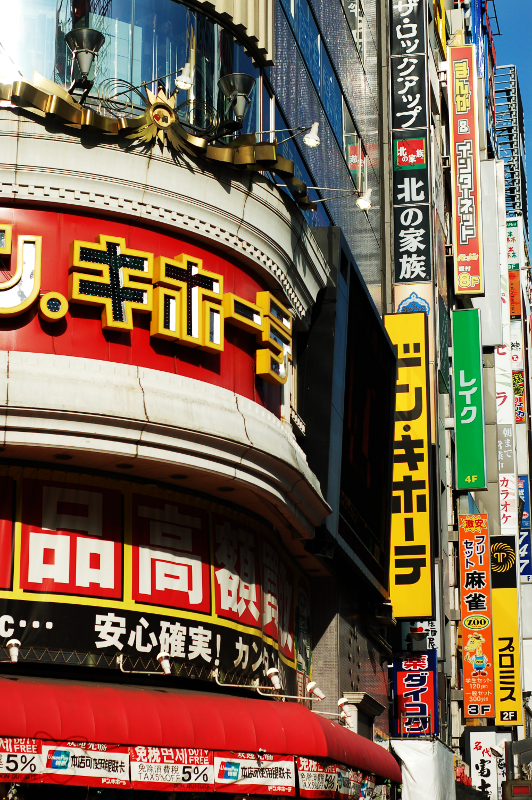
A view of the buildings on Yasukuni Dori (靖国通り, "Yasukuni Street"), Shinjuku.

Wednesday, 17 March 2010

LXXXI - Tokyo


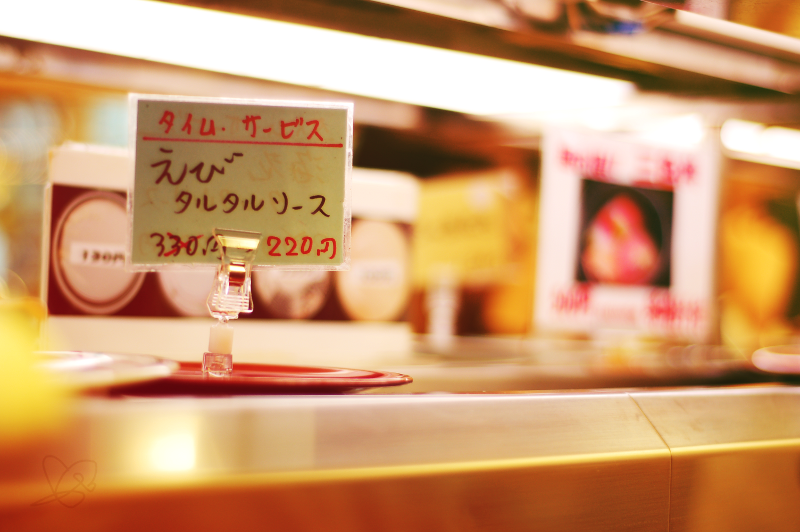
Kaiten-zushi (回転寿司, "revolving sushi") is a very popular kind of restaurant in Japan, where food is set on small plates placed on a rotating conveyor belt that winds through the restaurant. Customers are usually seated on counter seats all the way along the belt, and simply pick their food as it passes by. The colour of the plates determines the price of the sushi on it ― usually the simpler the plate colour or design, the cheaper it is.

Most gaijin will probably be pleasantly surprised by how affordable kaiten-zushi is, compared to how pricey Japanese restaurants abroad are: this one had plates starting from 130
円 (1€), compared to the average 4€ each plate costs back home. As can be seen in the photo, some plates only contain cards ― they represent dishes which should be served hot, and therefore must be ordered to the waitress, or directly to the chef.

The first time I ate in a kaiten-zushi was quite embarassing, due to the fact that I was the only non-Japanese, the only female, and the only person under 35 years old. This is because this kind of restaurant usually caters to Japanese businessmen who don't have time for a proper meal during their lunch-break. Moreover, I didn't know how to ask for water, so I forced myself to drink the complimentary boiling hot green tea provided even though it was at least 40°C (104F) outside!

I did manage to ask for miso shiru
(味噌汁, "miso soup") though..

Thursday, 11 March 2010

LXXX - Tokyo


A view of Tokyo's rooftops from the Shibuya Excel Hotel Tokyu, a gorgeous hotel where we spent three nights during our stay in the city.

The hotel occupies the top floors of the Shibuya Māku Shitī (渋谷マークシティ, Shibuya Mark City Building), a 99.67 mt tall building located right in front of Shibuya-eki (渋谷駅, Shibuya Station), the fourth-busiest rail station in the whole of Japan, with an average of 2.4 million passengers daily.

Sunday, 7 March 2010

LXXIX - Tokyo


The Pokemon Train!

JR East has decorated 13 of their shinkansen (新幹線, bullet trains) with characters from the popular videogame and animation Pokemon! These trains operate on the Tohoku, Joetsu, Akita, Yamagata and Nagano lines during the summer months, from July to September, which is when Japanese schoolchildren are on holiday. The trains even have Pokemon-themed decoration inside!

Sorry about the bad picture, it was going very fast!

Saturday, 6 March 2010

LXXVIII - Tokyo


A DVD rental (?) place near Ueno Station (上野駅), Tokyo.